Journey Behind the Falls: What to Expect
Descend 125 feet through tunnels carved in the 1880s to stand behind the thundering curtain of Horseshoe Falls.
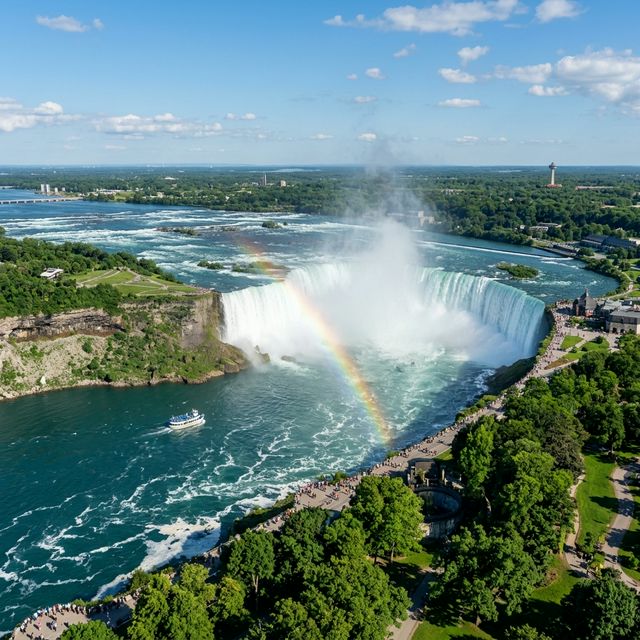
Everything you need to plan the perfect trip — from hidden gems and best viewing spots to seasonal tips and local dining recommendations.
From thundering waterfalls to serene butterfly gardens, discover the best experiences the Niagara region has to offer.
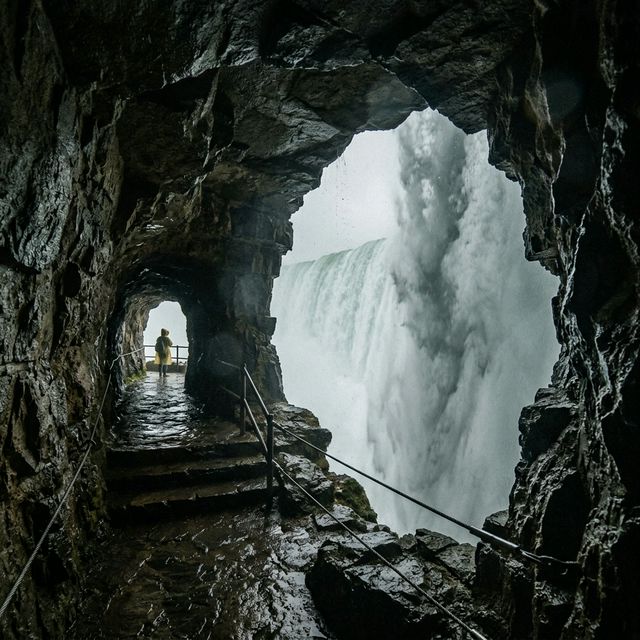
Descend 125 feet through tunnels carved in the 1880s to stand behind the thundering curtain of Horseshoe Falls.
Journey Behind the Falls is one of Niagara's oldest and most iconic experiences. You'll take an elevator down through bedrock to a network of tunnels that lead to two observation areas — one behind the massive wall of water and another at the base of the falls.
Duration: Approximately 45-60 minutes for the full self-guided experience.
What's Included: A complimentary poncho (you will get wet!) and access to both the Upper and Lower observation decks.
Pro Tips: Visit early in the morning (before 10am) to avoid crowds. The experience is open year-round, but summer months offer the most dramatic water volume. Wear shoes with good grip as the walkways can be slippery.
Each season brings a unique experience. Here's what to expect month by month so you can plan the perfect trip.
Summer (June–August): Peak season with the highest water flow and longest operating hours. All attractions are open. Expect crowds and higher prices. Average temperature: 25°C (77°F).
Fall (September–November): Beautiful foliage colors along the gorge. Smaller crowds and pleasant weather. Most attractions still open through October.
Winter (December–February): Dramatic frozen mist creates ice formations around the falls. Festival of Lights illuminates the area. Fewer attractions open but hotel rates are significantly lower.
Spring (March–May): Water flow increases dramatically from snowmelt. Crowds begin to build in May. Garden attractions bloom with color.
Our Recommendation: Late September to early October offers the best balance of good weather, fall colours, manageable crowds, and reasonable prices.
Explore the 115-year-old hydroelectric power station and walk through a 2,200-foot tunnel to a panoramic viewing platform.
The Niagara Parks Power Station is a restored 1905 hydroelectric generating station that once harnessed the power of the falls to generate electricity for the region. Today it's a stunning immersive experience.
The Tunnel: Walk 2,200 feet through the original tailrace tunnel to emerge at a viewing platform at the base of the falls — a perspective few get to see.
Night Experience: After dark, the building transforms with a spectacular sound and light show called "Currents" that projects animations onto the massive turbines and architecture.
Architecture: The building itself is an architectural masterpiece with soaring ceilings, original equipment, and interactive exhibits about the history of hydroelectric power at Niagara.
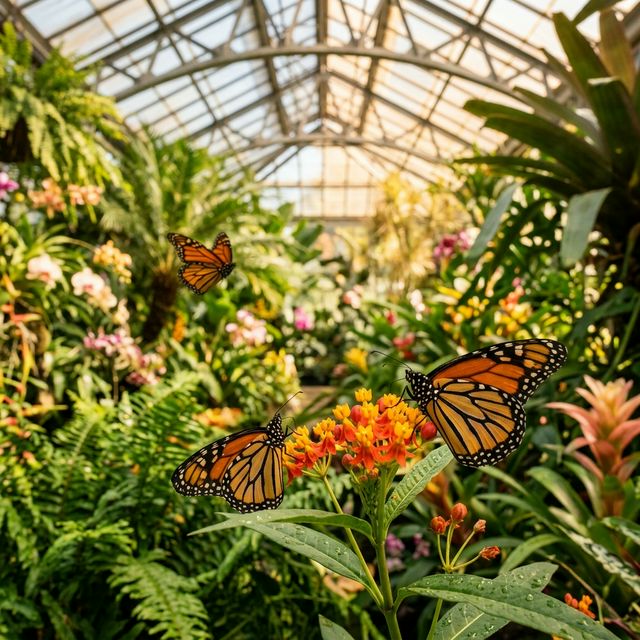
Walk among 2,000+ tropical butterflies in a climate-controlled rainforest setting along the Niagara Parkway.
The Niagara Parks Butterfly Conservatory is home to over 2,000 butterflies from around the world, fluttering freely through a lush tropical environment.
Species: You'll encounter Blue Morphos, Monarchs, Swallowtails, and dozens of other species from six continents.
Best Photos: Wear bright colours (especially red and orange) to attract butterflies. Early morning is best for photography when the butterflies are warming up and more likely to rest on your hand.
Location: Located about 10 minutes north of the falls along the scenic Niagara Parkway. Easily accessible by WEGO bus or car.
Year-Round: The conservatory is climate-controlled at 24°C (75°F), making it a perfect escape during winter months.
Capture stunning images of the falls from these 7 vantage points, plus camera settings and composition tips.
1. Table Rock: The closest viewpoint to Horseshoe Falls. Best at sunrise for soft golden light and fewer people.
2. Skylon Tower: The elevated view provides a bird's eye perspective of both the American and Canadian falls.
3. Queen Victoria Park: A lower angle that captures the full width of the falls, especially stunning in spring with tulips in the foreground.
4. Dufferin Islands: A quieter spot upstream with beautiful nature photography opportunities.
Camera Tips: Use a slow shutter speed (1/8 to 1 second) with a tripod for that silky smooth water effect. A polarizing filter will reduce glare from the mist. Protect your gear — the spray can reach cameras even from the Canadian side.
Golden Hour: Sunset happens behind the Canadian Falls in summer, creating a dramatic silhouette. Winter sunsets are particularly vivid.
Everything you need to know about parking, WEGO buses, shuttles, and getting to the falls from Toronto.
From Toronto: It's approximately 130 km (80 miles), about 1.5 hours by car via the QEW highway. GO Transit buses run seasonally from Toronto Union Station.
Parking: Niagara Parks operates several lots. The Rapidsview Lot is furthest from the falls but cheapest ($5/day) with free WEGO shuttle service. Table Rock lot is the closest ($30-40/day in peak season).
WEGO Bus: The hop-on, hop-off bus system connects all major attractions along the Niagara Parkway. A 24-hour pass costs about $12 (adult) and is highly recommended.
Walking: The Canadian side is very walkable. A pleasant 2km path connects Table Rock to the Power Station to Clifton Hill.
Pro Tip: Park at the Floral Showhouse or Rapidsview lots and take WEGO to save money. The scenic ride along the river gorge is worth the trip itself.
Skip the tourist traps. Here are the best restaurants and cafes near the falls, from fine dining to casual bites.
Fine Dining: AG Inspired Cuisine at the Sterling Inn offers a farm-to-table menu with Niagara wine pairings. The Keg on Lundy's Lane is a reliable steakhouse option.
Casual Eats: Tide and Vine Oyster House in Niagara-on-the-Lake (20 min drive) serves incredible seafood. Paris Crêpes Café on Victoria Ave has sweet and savoury crêpes.
Quick Bites: Flying Saucer Restaurant is a local favourite for hearty diner food. Mandarin Buffet on Lundy's Lane offers value for families.
Wine Region: The Niagara wine region is just 20 minutes away with dozens of wineries offering tastings. Inniskillin and Peller Estates are must-visits for icewine lovers.
Budget Tip: Prices are highest within 1 km of the falls. Walk 10-15 minutes toward Victoria Ave or Lundy's Lane for significantly better value.
Just 20 minutes from the falls, this historic town offers world-class wineries, the Shaw Festival, and colonial architecture.
Niagara-on-the-Lake is one of the most picturesque towns in Ontario, known for its beautifully preserved 19th-century architecture, world-class wineries, and the prestigious Shaw Festival theatre.
Queen Street: The main shopping strip is lined with boutiques, bakeries, fudge shops, and art galleries. Don't miss the famous Niagara-on-the-Lake Fudge Factory.
Wineries: Over 30 wineries are within a short drive. The region is especially known for icewine, Riesling, and Chardonnay. Most offer tastings for $5-15.
Getting There: Drive the scenic Niagara Parkway along the river (about 25 minutes), or take the WEGO Green Line during summer.
Don't Miss: Fort George National Historic Site, the Prince of Wales Hotel (even just for afternoon tea), and a sunset bike ride along the Niagara River Recreation Trail.
Every evening, the falls are illuminated with thousands of LED lights. In summer, fireworks add to the spectacle.
The Niagara Falls Illumination is a nightly show that transforms both the American and Horseshoe Falls with a stunning array of coloured lights.
Schedule: Illumination begins at dusk every night of the year. In summer, lights shine until midnight; in winter, until 10pm.
Fireworks: Free fireworks shows are held over the falls on select summer evenings (typically Fridays, Sundays, and holidays). The falls provide a dramatic backdrop to the pyrotechnics.
Winter Festival of Lights: From mid-November through February, the entire tourism district is decorated with millions of lights and animated displays along a 10km route.
Best Viewing: Queen Victoria Park and Table Rock offer the best views of both the illumination and fireworks. Arrive 30 minutes early for a good spot during fireworks nights.
From interactive museums to splash zones, here's how to make Niagara Falls fun for visitors of all ages.
Niagara Falls is an incredible destination for families. The sheer spectacle of the falls captivates children, and there are dozens of kid-friendly attractions in the area.
Top Family Picks: Butterfly Conservatory (kids love having butterflies land on them), Bird Kingdom (the world's largest free-flying indoor aviary), Clifton Hill attractions (arcades, haunted houses, mini golf).
Free Activities: Walking along the Niagara Parkway, playing at the Dufferin Islands splash pad (summer), watching the daily illumination, and exploring Queen Victoria Park.
Rainy Day Options: Niagara Falls History Museum, IMAX Theatre (showing "Niagara: Miracles, Myths & Magic"), and the indoor attractions at Clifton Hill.
Age Guide: Journey Behind the Falls is suitable for all ages but can be loud — bring noise-dampening headphones for toddlers. Most boat cruises accept children age 2+.
From fallsview luxury suites to budget-friendly options, here's your guide to Niagara Falls accommodation.
Fallsview District: Premium hotels with direct views of the falls. Expect to pay $250-500+/night in peak season. The Marriott Fallsview and Hilton Fallsview are top picks.
Clifton Hill Area: Central location near entertainment and dining. Mid-range pricing ($150-300/night). Great Falls Inn and Sheraton on the Falls are solid choices.
Lundy's Lane: Budget-friendly area with motels and chain hotels, 5-10 minutes from the falls. Rates start around $80-120/night.
Niagara-on-the-Lake: For a quieter, more refined stay with access to wine country. Historic bed and breakfasts and boutique inns. 20-minute drive to the falls.
Booking Tips: Book at least 2-3 months in advance for summer weekends. Shoulder season (May, September-October) offers the best balance of good weather and reasonable rates.
From glacial retreat 12,000 years ago to the falls we see today — the fascinating geology of one of Earth's most powerful waterfalls.
Niagara Falls was born approximately 12,000 years ago when the glaciers of the last Ice Age retreated northward, carving out the Great Lakes and creating the Niagara River gorge.
The Numbers: Horseshoe Falls is 57 meters (188 feet) high and 790 meters (2,592 feet) wide. Over 2.8 million litres of water flow over the falls every second during peak flow.
Erosion: The falls erode the underlying rock at approximately 1 foot per year, though this rate has slowed considerably since water diversion for hydroelectric power began in the early 1900s.
Three Falls: What we call "Niagara Falls" is actually three separate waterfalls — Horseshoe Falls (the largest, on the Canadian side), American Falls, and Bridal Veil Falls (both on the American side).
Fun Fact: In 1969, the US Army Corps of Engineers temporarily "turned off" the American Falls to study erosion rates. During this time, millions of coins and two bodies were found at the base.
Essentials for a smooth and enjoyable trip to the falls.
The falls themselves are visible 24/7. Major attractions typically open 9am to 5pm (extended hours in summer). The Niagara Parkway and Queen Victoria Park are always accessible.
Summer: 20-30°C, light layers recommended. You will get wet near the falls — wear waterproof shoes and bring a change of clothes. Winter: -5 to -15°C, dress warmly in layers with waterproof outerwear.
Most Niagara Parks attractions are wheelchair accessible, including Journey Behind the Falls (elevator access), the Power Station, and all walkways. WEGO buses are equipped with ramps.
Quick answers to common questions about visiting Niagara Falls.
Tell us about your trip and we'll send you a personalized guide with our top recommendations.
Fill out the form and we'll email you a custom itinerary.